form-line

A hair transplant is a permanent treatment for hair loss in which your own hair follicles are moved from the donor area to areas with thinning or absent hair growth. The follicles are typically harvested from the back of the head, where the hair is more resistant to hair loss, making it possible to achieve a natural and long-lasting result.

The transplanted hair follicles retain their genetic characteristics and therefore continue to grow naturally in their new location.

Modern techniques such as Sapphire FUE and DHI allow for the creation of natural hairlines with high precision and density. The choice of method depends on your hair loss, donor area, and specific hair characteristics.

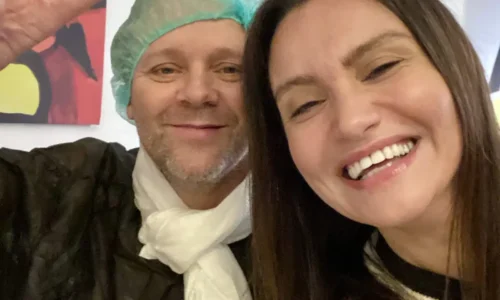
At Håreksperten, we maintain a permanent office at the clinic in Istanbul where the hair transplant is performed. This means we are present and support you throughout the entire process.

Permanent solution
Your own hair follicles continue to grow naturally after the treatment.
Local anesthesia
The procedure is performed under local anesthesia and does not require hospitalization.
Natural result
The hairline is individually designed based on your facial expressions and hair type to ensure it aesthetically complements your age and face shape.
Modern methods
We use Sapphire FUE and DHI techniques, depending on your specific situation.

Our treatment methods

There are several methods for hair transplantation, but what they all have in common is that your own hair follicles are moved from the donor area to the areas where the hair has thinned or been lost.
Sapphire FUE

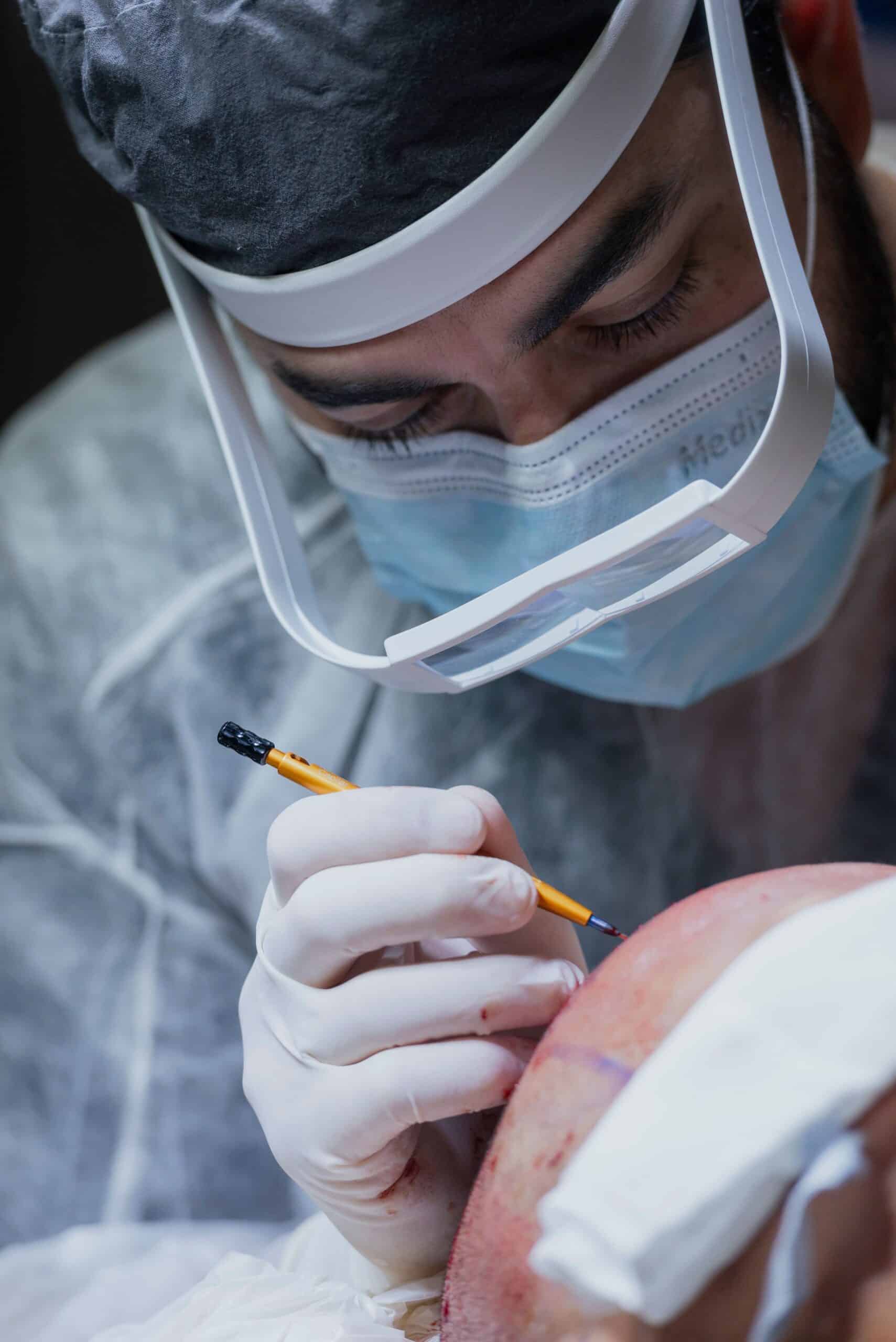
Sapphire FUE is the most widely used method in modern hair transplantation. During the procedure, hair follicles are extracted individually from the donor area and placed in areas where the hair has thinned or been lost.

The method allows for the transfer of a large number of hair follicles with high precision and is therefore frequently used for extensive areas of hair loss. Sapphire instruments provide the hair specialist with excellent control over both the density and placement of the hair.

Fordele ved Sapphire FUE
  • Suitable for larger areas

  • High density and natural results

  • Short healing period

  • Gentle treatment

  • The most widely used method

DHI

The DHI method gives the hair specialist greater control over the placement of hair follicles between existing hairs. It is particularly well-suited for a second procedure aimed at achieving greater density. Consequently, DHI is often used in areas of thinning hair where multiple hairs need to be implanted with maximum precision. The method is especially suitable for detailed procedures for both men and women experiencing early-stage hair loss, where a natural and precise result is the priority.

DHI can also be combined with the Sapphire FUE method to achieve the best possible result.

Benefits of DHI
  • Extra precision

  • Can be combined with Sapphire FUE

  • Option for high density

  • Suitable for smaller areas

  • In some cases, only limited shaving is required

Which method is right for you?
The best method depends on the condition of your hair and your personal goals. Therefore, each client is assessed individually, with a focus on achieving a natural look, density, and long-lasting results. In some cases, Sapphire FUE and DHI can be effectively combined to achieve the best possible outcome.

The number of grafts is also determined on an individual basis. Many believe that transplanting more grafts yields better results; however, the most important factor is transplanting the number that suits your specific needs and the capacity of your donor area. In some instances, it is recommended to split the procedure into two sessions to avoid placing undue strain on the scalp and donor area. The second session is typically performed after 9–12 months, once the hair has grown out and the results of the initial procedure can be evaluated.

Get an appraisal
Experience, precision, and natural results

Your treatment takes place at a specialized clinic in Istanbul with many years of experience in hair transplants. Here, treatments are performed by an experienced team focused on natural hairlines, precise implantation, and long-term results.

The clinic works daily with both Sapphire FUE and DHI and welcomes clients from all over the world.

How the treatment is performed

A hair transplant consists of several steps, each of which influences the final result. From the initial assessment to the final follow-up, the entire process is planned with a focus on natural-looking results, precision, and peace of mind.
Step 1
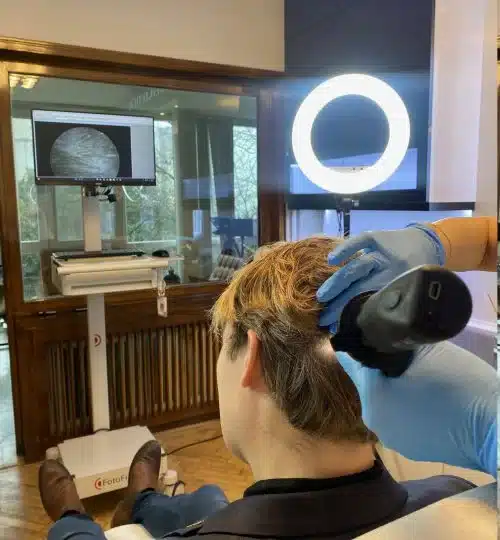
Analysis and assessment

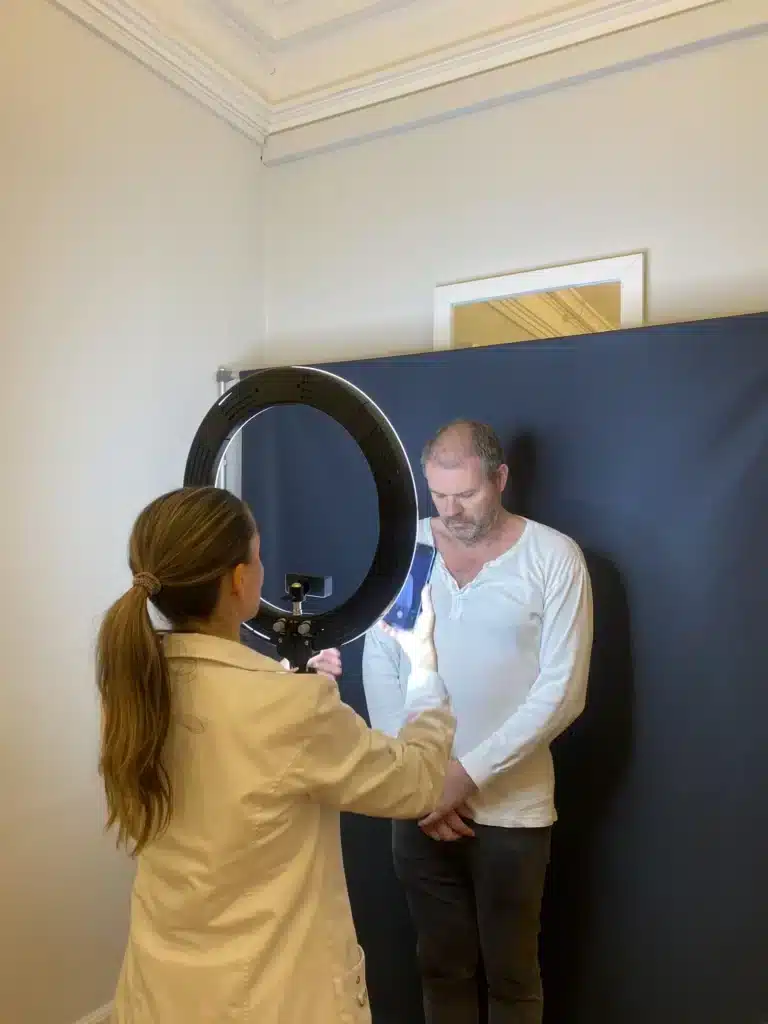
Your hair loss, donor area, and number of grafts are assessed based on photos. The most suitable treatment method is recommended.

Step 2
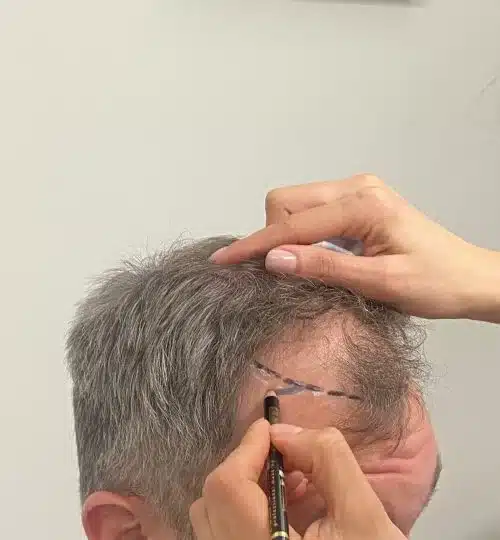
Hairline design

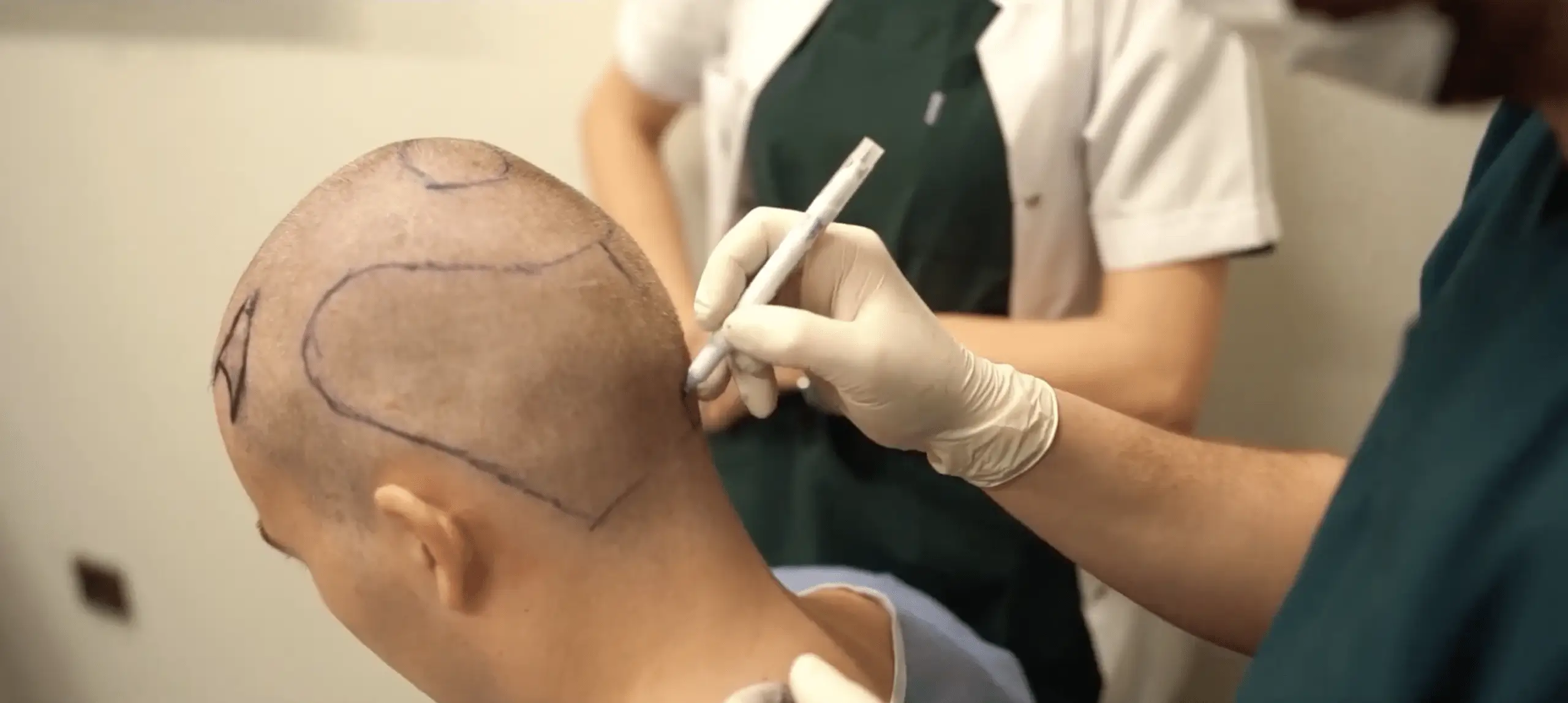
Before the treatment, your new hairline is individually designed based on your face, age, and preferences.

Step 3
Graft extraction

The hair follicles are gently extracted from the donor area under local anesthesia and then prepared for implantation.

Step 4
Implantation of hair follicles

Grafts are placed with a focus on density, direction, and natural hair growth to create a natural result.

Step 5
Follow-up and hair growth

You receive guidance after the treatment and are monitored throughout the growth period until the final result is achieved.

Experience the entire journey in Istanbul.

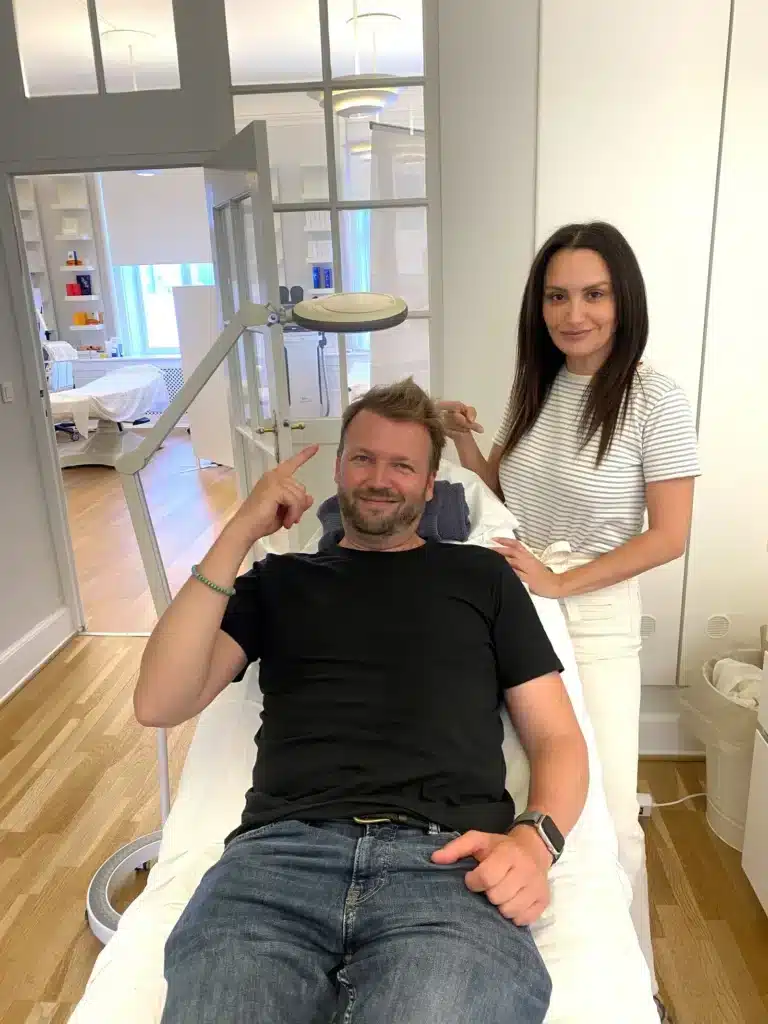
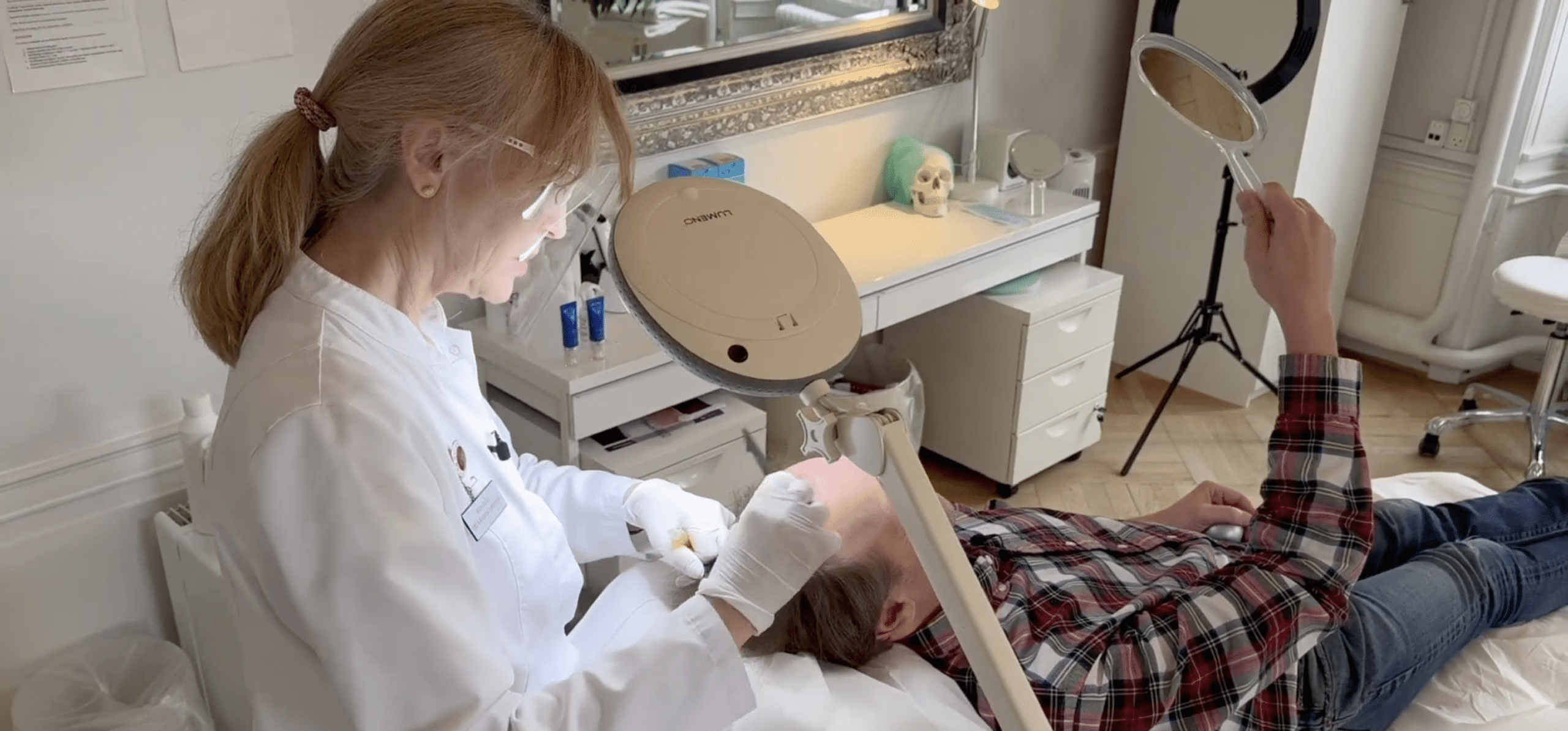
Follow Christoffer through the entire process and get an insight into how a hair transplant is performed in practice.

The video shows everything from the arrival in Istanbul and the initial consultation to the planning of the hairline, the procedure itself, and the follow-up check at the clinic. If you are considering a hair transplant, this video is a great place to start.

Skaermbillede-2026-06-07-kl.-01.55.18-scaled-1
Behind the Treatment
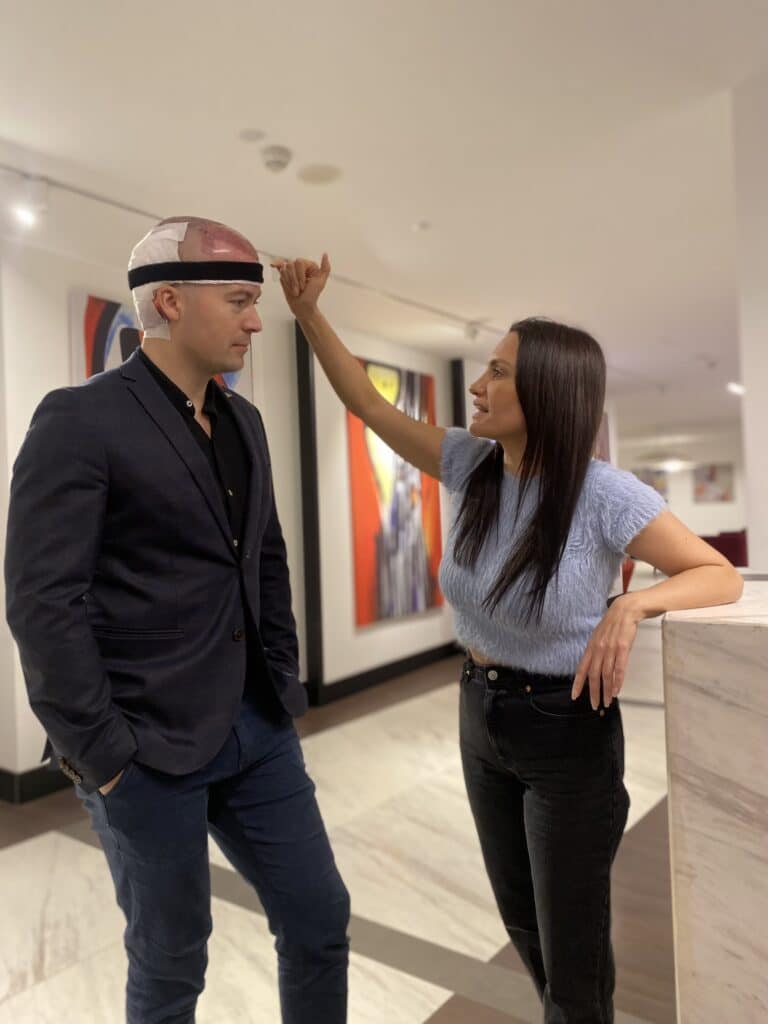
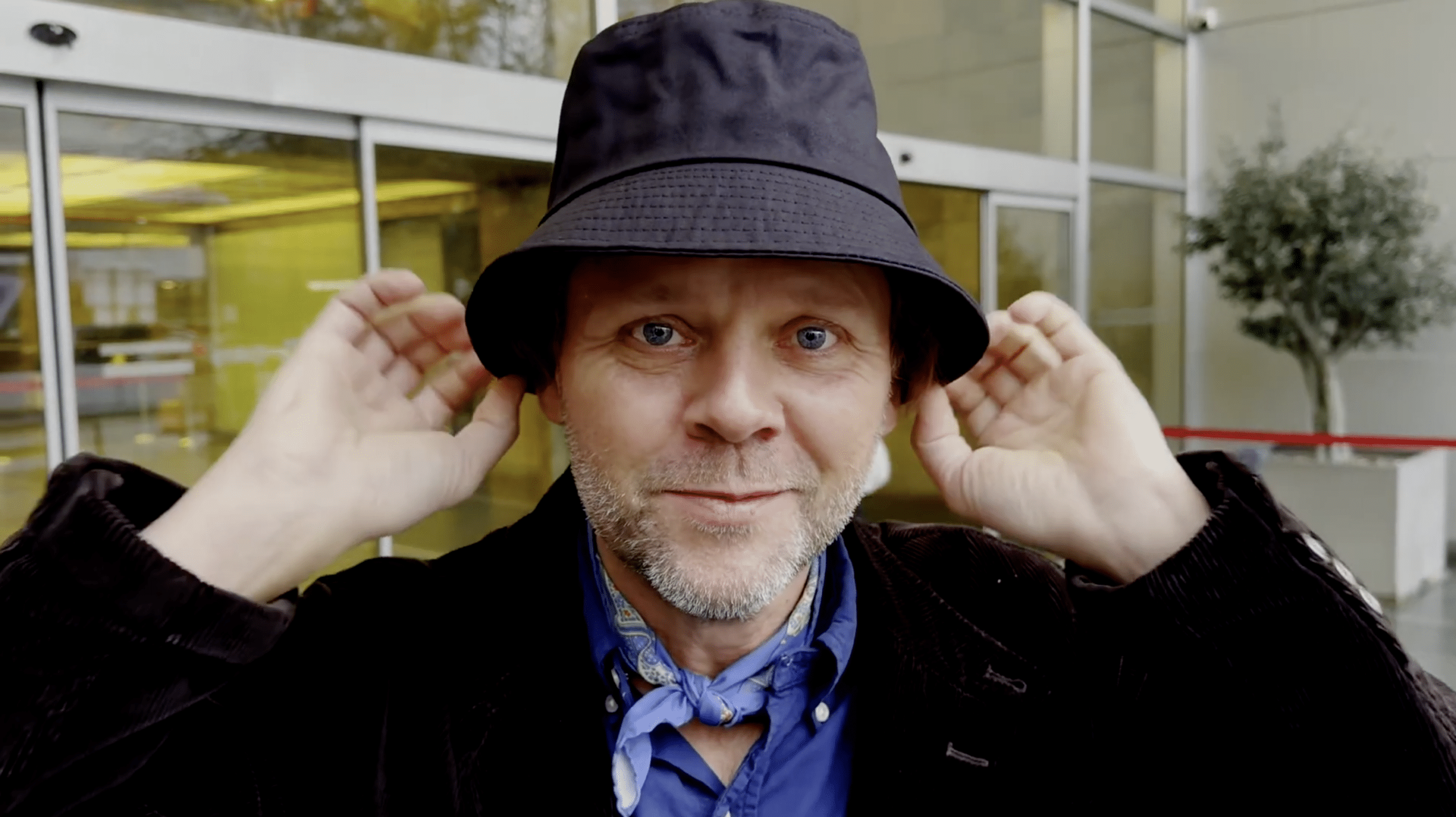
Actor Tomas Villum Jensen's hair transplant

Watch Tomas Villum Jensen undergo a hair transplant in Istanbul. A candid conversation about hair loss and all the underlying thoughts.

Skaermbillede-2026-06-07-kl.-01.52.58-scaled-1
Post-PRP Treatment
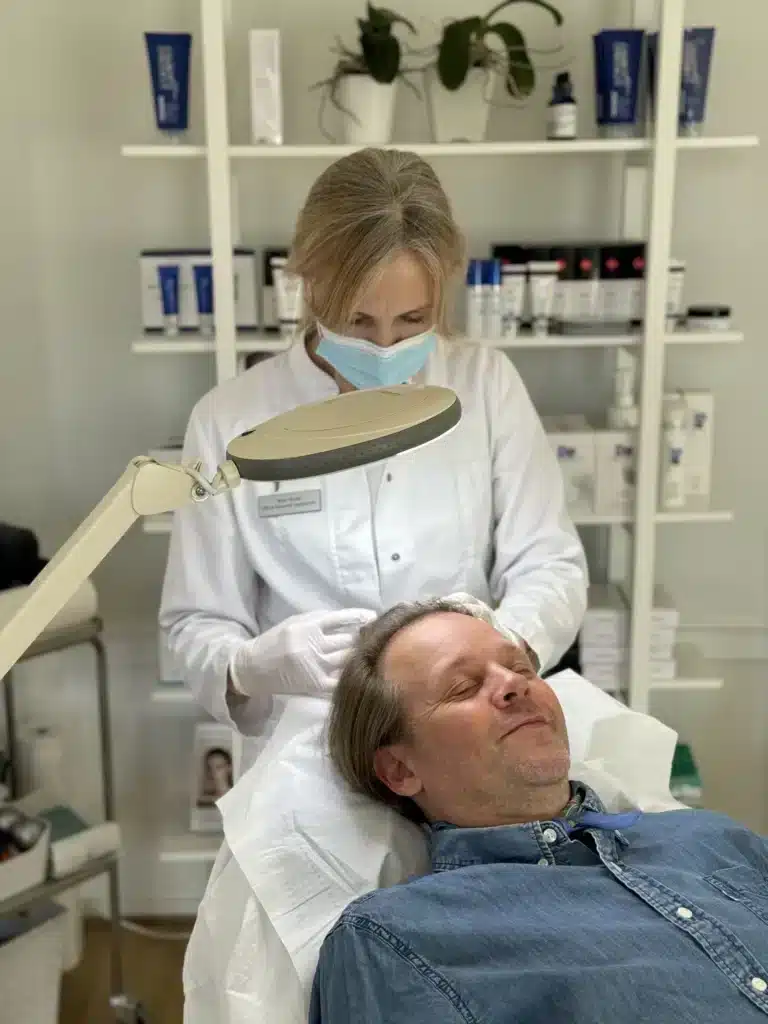
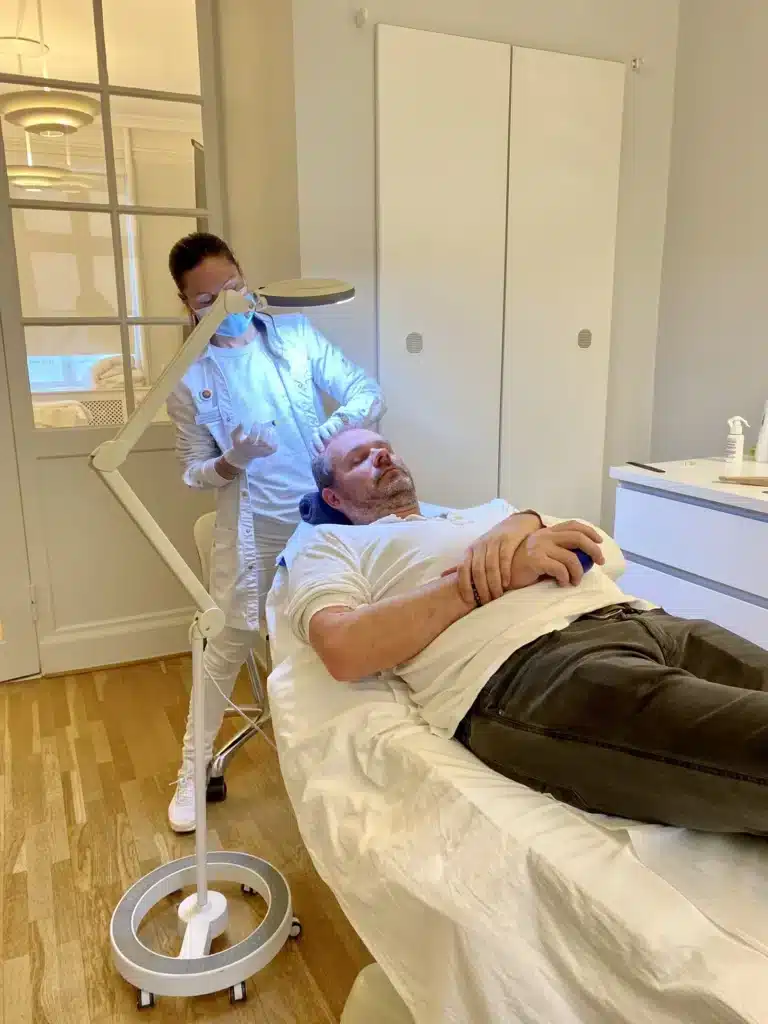
With Tomas Villum for PRP treatment

Follow Tomas Villum Jensen to a PRP treatment back home in Denmark and hear how things are going after the hair transplant.

From hair loss to natural results

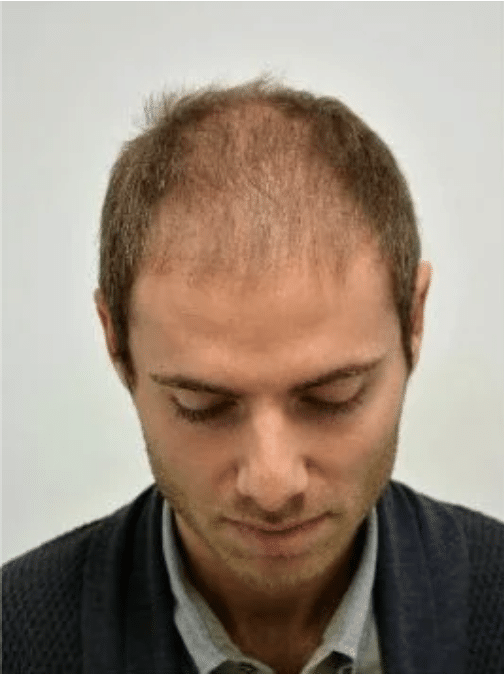
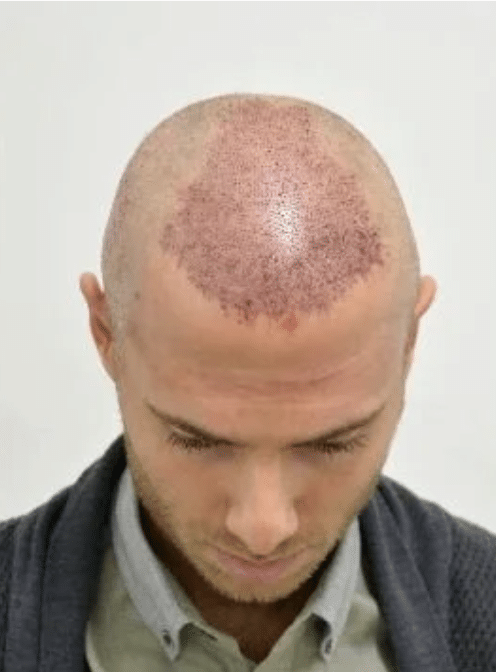
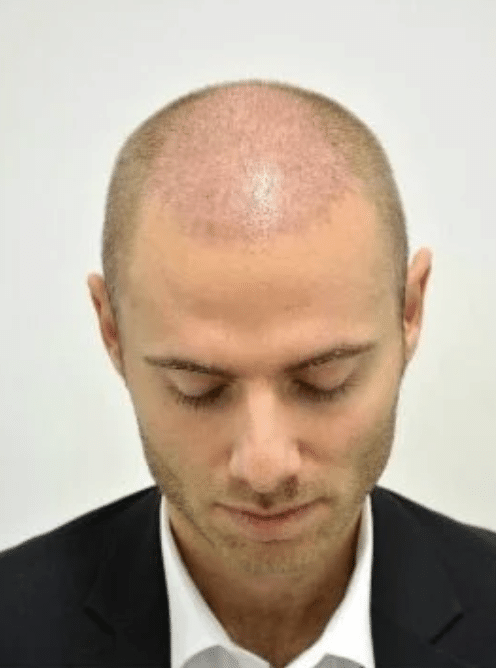
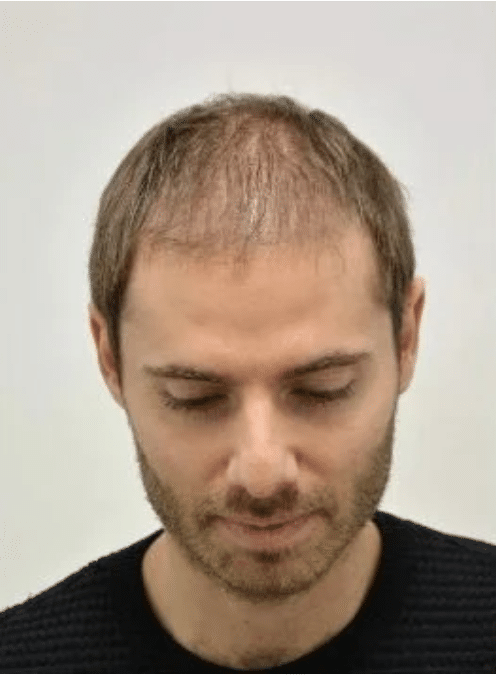
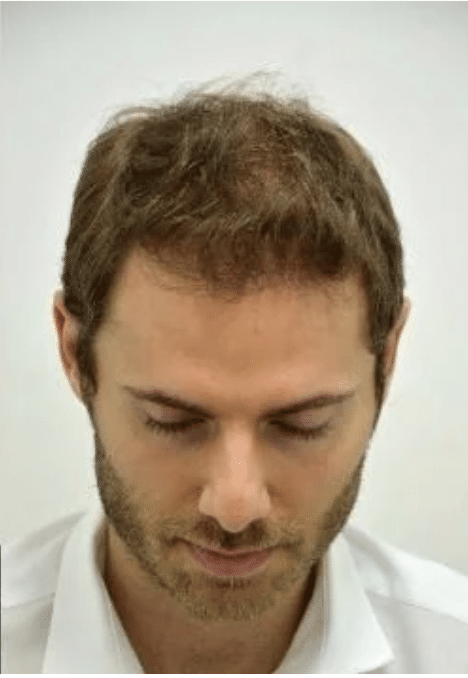
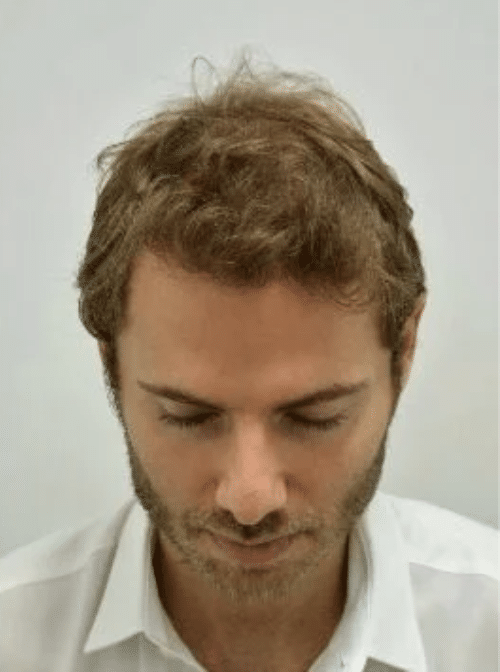
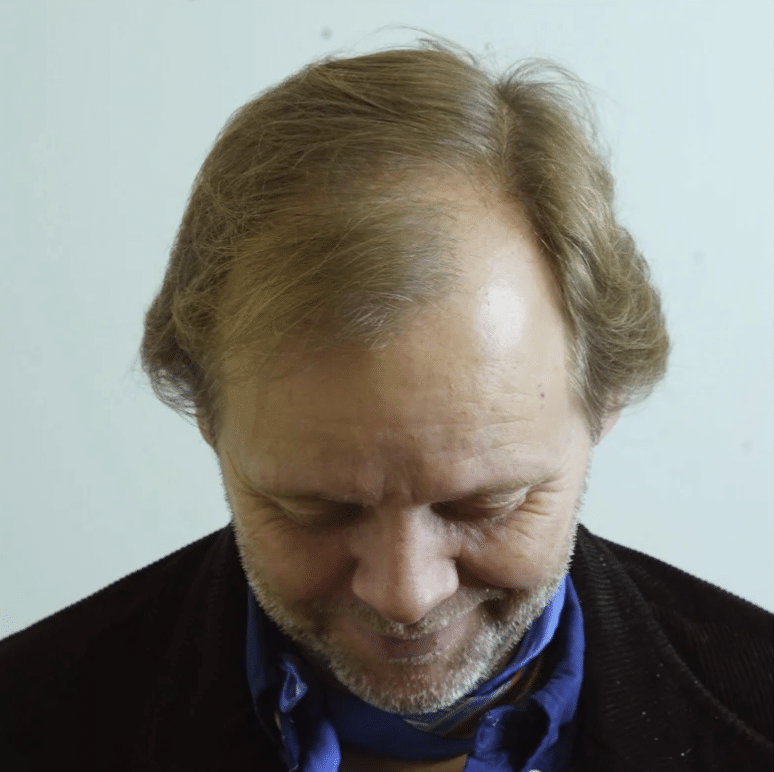
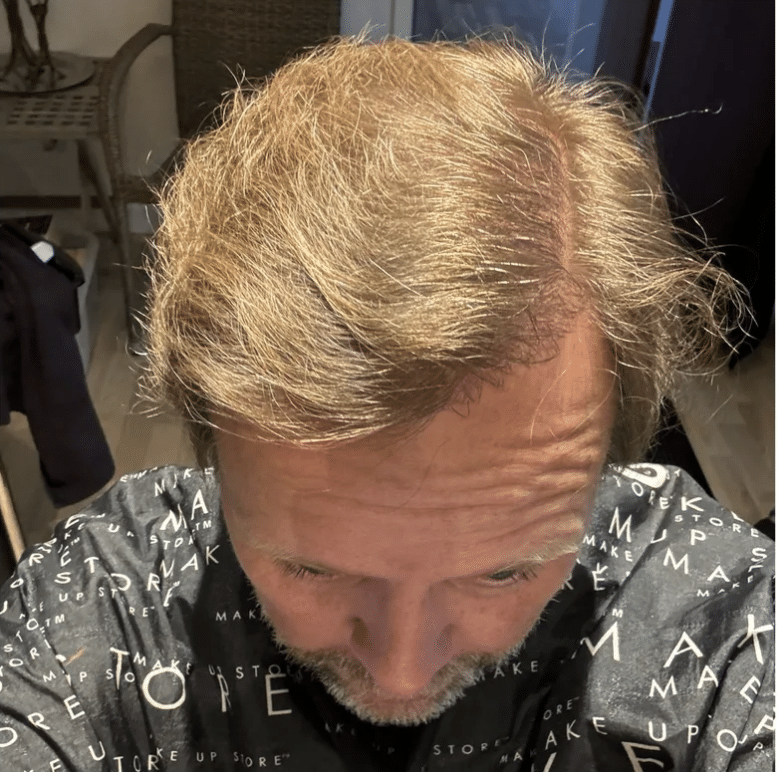
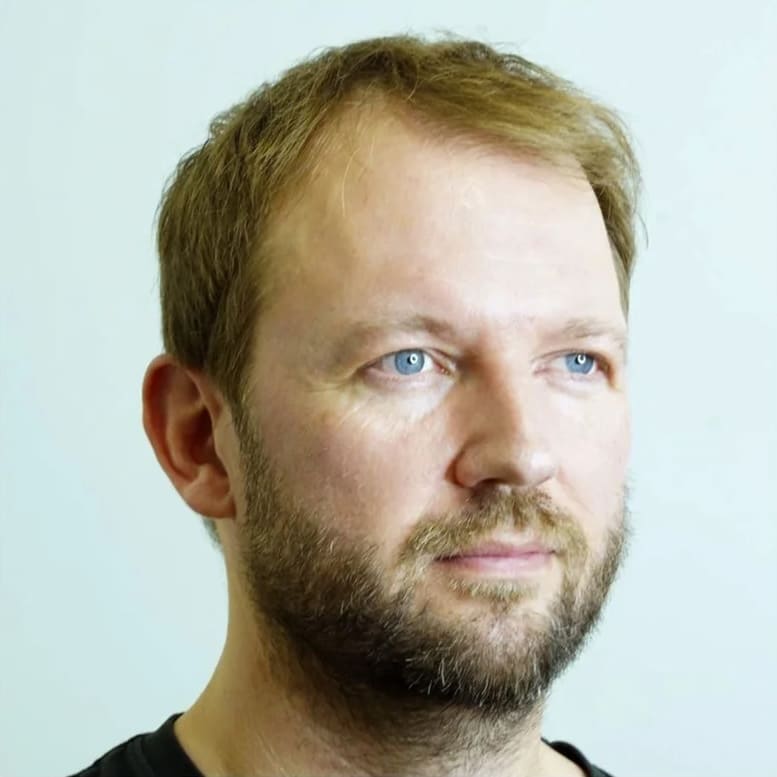
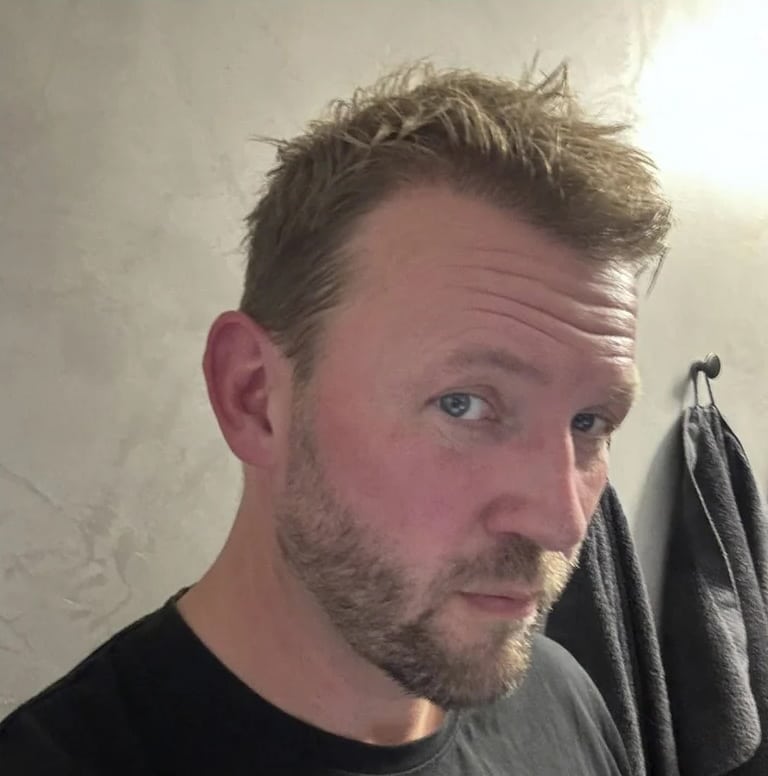
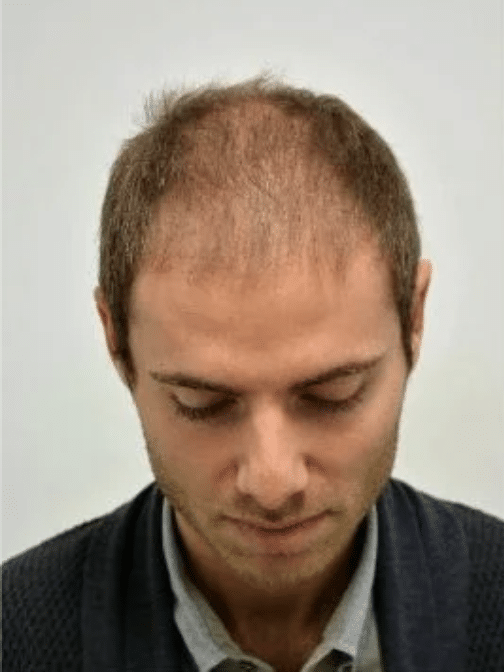
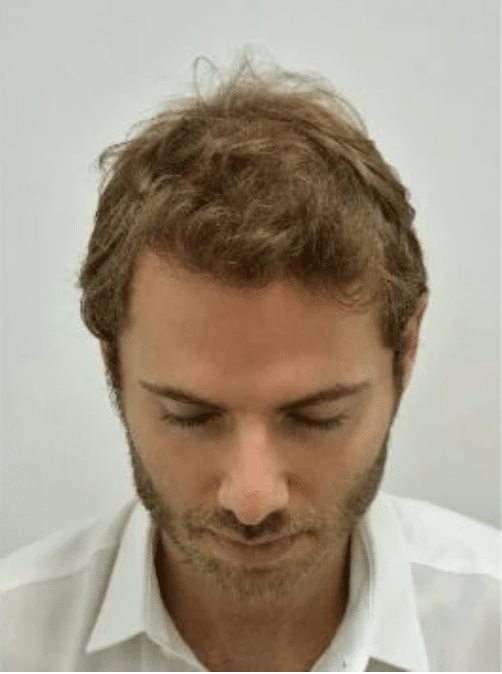
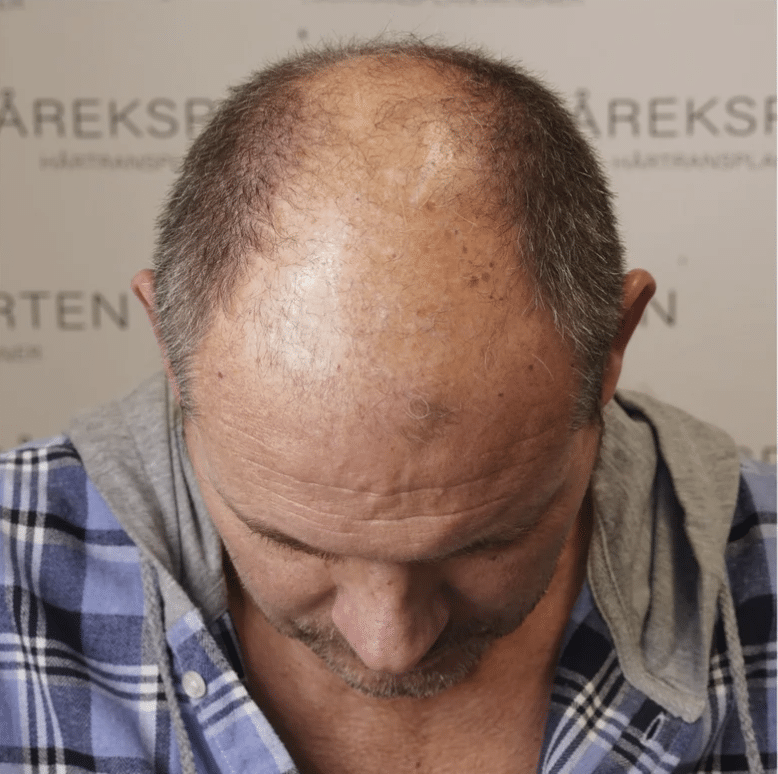
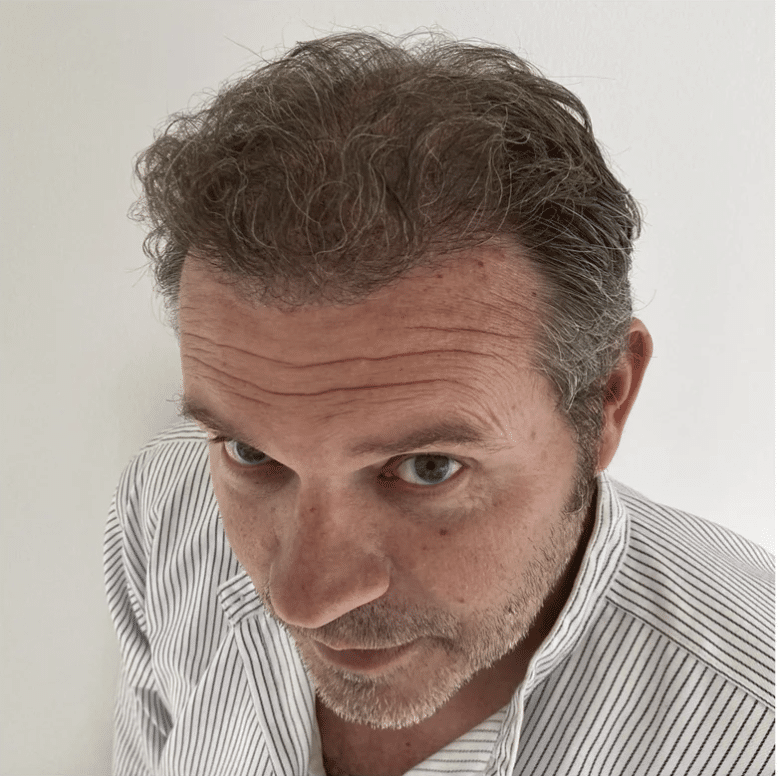
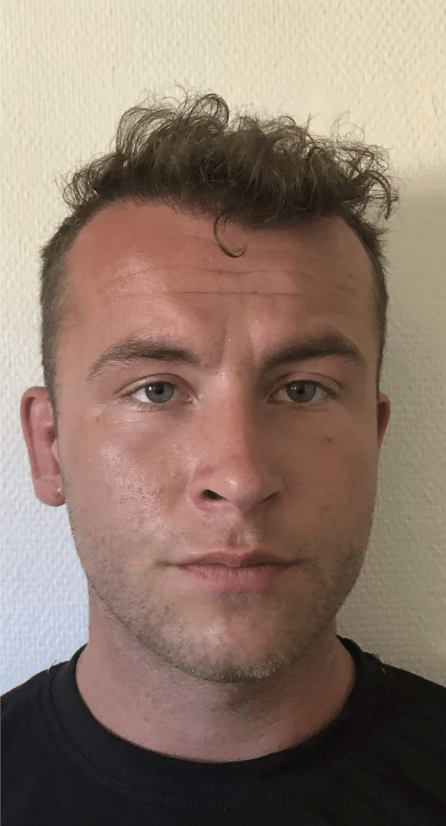
Every hair transplant is unique, but the results share a focus on natural hairlines, density, and an appearance that suits the individual.
Insights Everything You Need to Know About Hair Transplants for Women

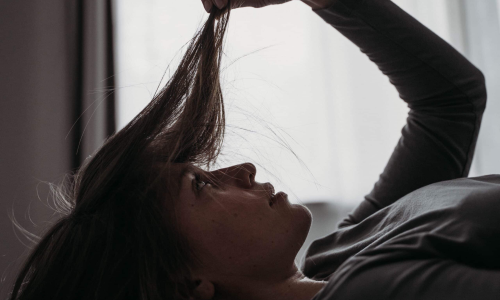
Hair loss in women can have many different causes and often presents differently than in men. Therefore, it is important to identify the cause of the hair loss before determining whether a hair transplant is the right solution. Although hair transplant is often associated with men, many women also experience hair loss or thinning hair. […]

News When women support their partners in the decision to have a hair transplant

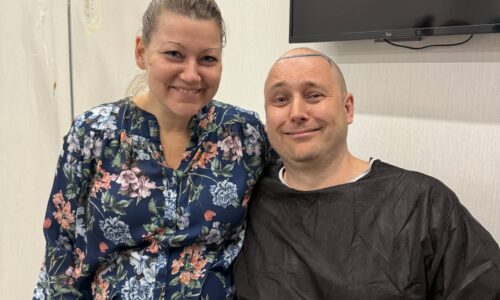
For many men, a hair transplant is a major decision. Support from a partner can make it easier to take the first step and provide additional reassurance throughout the entire process. Losing hair can affect self-confidence more than many men admit. Although hair loss is a natural part of life for many people, it can […]
Insights That is why Håreksperten is much more than simply booking a hair transplant.

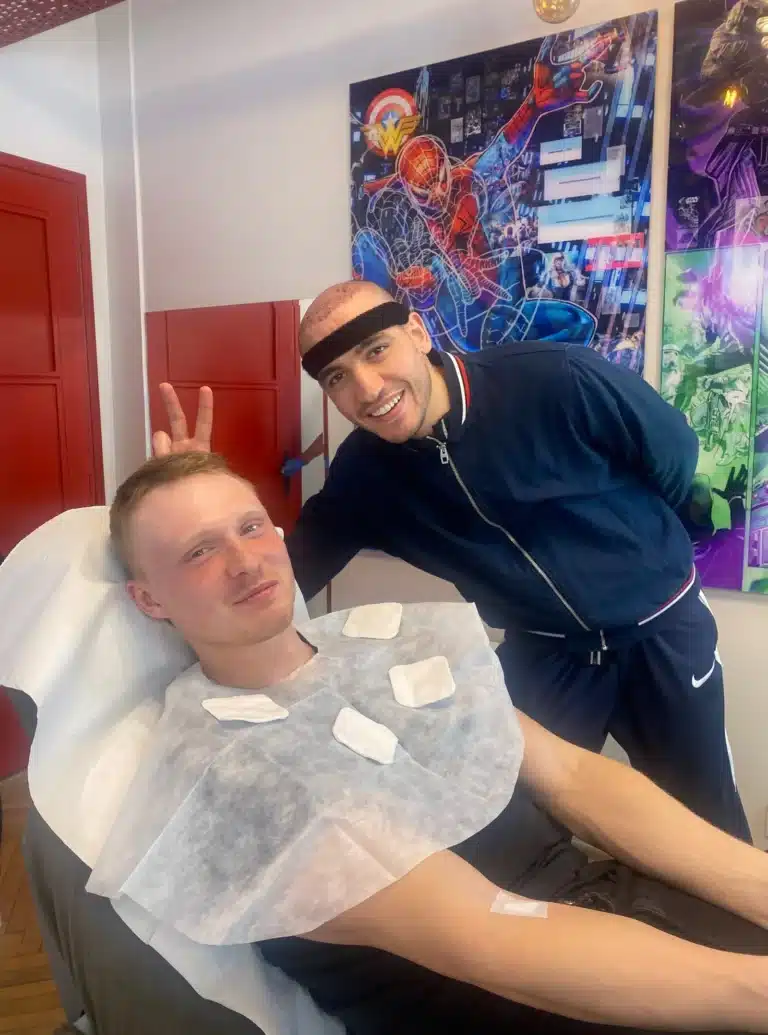
Personal guidance and more than 15 years of experience helping Danish men throughout the entire process. When people ask me what Håreksperten actually does, I often say that we build a bridge between two countries, two cultures and two different ways of thinking. A hair transplant is about much more than finding a clinic and […]
News What Is the Difference Between Sapphire FUE and DHI?

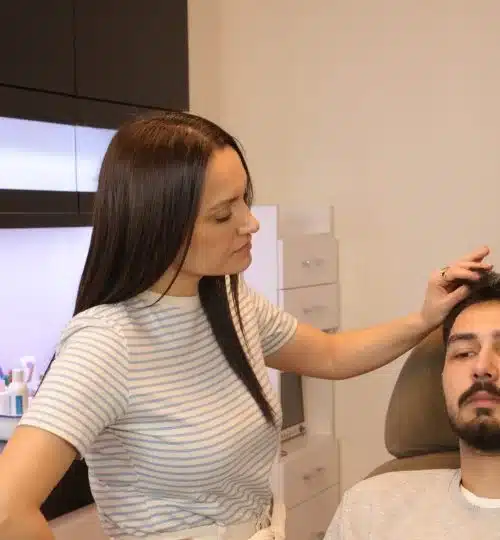
Sapphire FUE and DHI are the two most widely used hair transplant methods. Here, we explain the differences and outline which option is best suited to different types of hair loss. If you have researched hair transplants, you have likely come across the terms Sapphire FUE and DHI. Both methods are widely used in modern […]

News PRP Treatment

What Is PRP Treatment? PRP treatment is a popular and natural method used in aesthetic medicine, where the body’s own growth factors are used to support healing and renewal. PRP stands for Platelet-Rich Plasma and involves drawing a small amount of blood from the patient and processing it in a centrifuge to separate the plasma, […]

News Sapphire FUE Hair Transplant

What Is a Sapphire FUE Hair Transplant? Sapphire FUE hair transplant is a modern and advanced hair transplant technique that uses specially designed sapphire blades instead of traditional steel blades. Sapphire FUE hair transplant allows highly precise and small channels to be created in the scalp, contributing to a denser and more natural-looking result. This […]

Frequently asked questions about the treatment

It is perfectly natural to have questions before making a decision. Here, we have gathered answers to the most common questions about the treatment and the process.
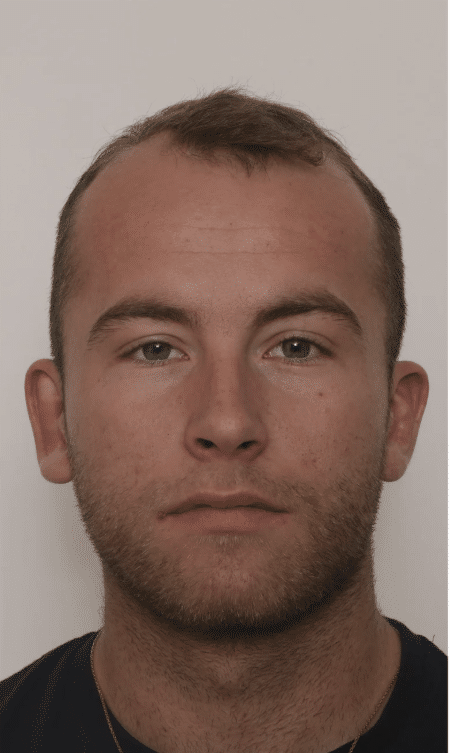
Does a hair transplant hurt?

The procedure is performed under local anesthesia, making the hair transplant itself painless. The only part of the treatment that may be painful is the administration of the local anesthesia, which typically takes 5–7 minutes.
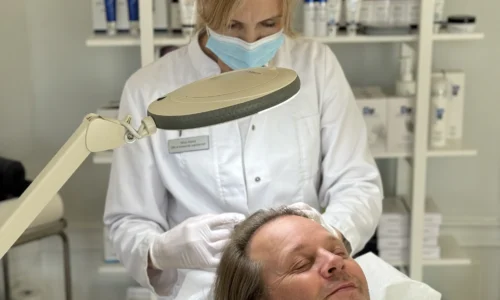
After the procedure, you may experience mild soreness and tightness in the scalp for the first few days.

If you wish, you can opt for sedation. This ensures a more relaxed experience and largely eliminates any discomfort while the local anesthesia is being administered.

How long does the treatment take?

The hair transplant procedure itself typically takes around 6–8 hours, depending on the scope of the treatment and the number of grafts.

How many grafts do I need?

The number of grafts depends on the size of the area experiencing hair loss, the desired density, and the quality of the donor area. During the initial assessment, your hair loss is analyzed, and the hair specialist recommends the number of grafts needed to achieve a natural and harmonious result.

At Håreksperten, the number of grafts does not affect the price of the treatment.

How long should I stay in Istanbul?

Most clients stay in Istanbul for three days. The first day is for arrival, the second for the treatment, and the third for a check-up at the clinic before returning home.

However, you can choose to stay in Istanbul for an extra day before we take you to the airport.

When can I return to work?

Many people can return to office work after a few days, but most choose to take about a week off.

Not because of pain, but to get through the initial visible stage of the healing process comfortably.

When can I exercise again?

The hair transplant is performed under local anesthesia, so you will not experience pain during the procedure.

The only discomfort may occur when the local anesthesia is administered, which typically takes 5–7 minutes.

If you wish to avoid this discomfort, you can opt for sedation—calming medication that helps you relax while the local anesthesia is being administered.

When am I allowed to wear a cap or a hat?

The treated area needs time to heal. In some cases, a loose-fitting hat or cap may be worn shortly after the procedure, provided the hair specialist approves it.

The most important thing is that the headwear does not put pressure on or rub against the transplanted hair follicles. You will receive guidance on this after the procedure.

Does all the hair need to be shaved off before the operation?

In most cases, the entire scalp is shaved prior to the operation. For certain treatments, partial shaving may be possible, depending on your hair and the treatment plan. This is assessed during your consultation.

Do the transplanted hairs fall out again?

Yes. It is completely normal for the transplanted hairs to fall out in the weeks following the treatment. The hair follicles remain beneath the skin and later begin producing new hair as a natural part of the growth cycle.

Is the result permanent?

Yes. The transplanted hair follicles are moved from the donor area at the back of the head, where the hair is typically genetically resistant to hair loss. Consequently, the hair continues to grow naturally in the new area.
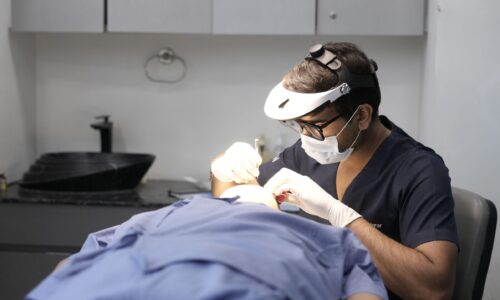
Do you have any other questions? We are ready to help. Contact us for a free, no-obligation assessment of your options.