
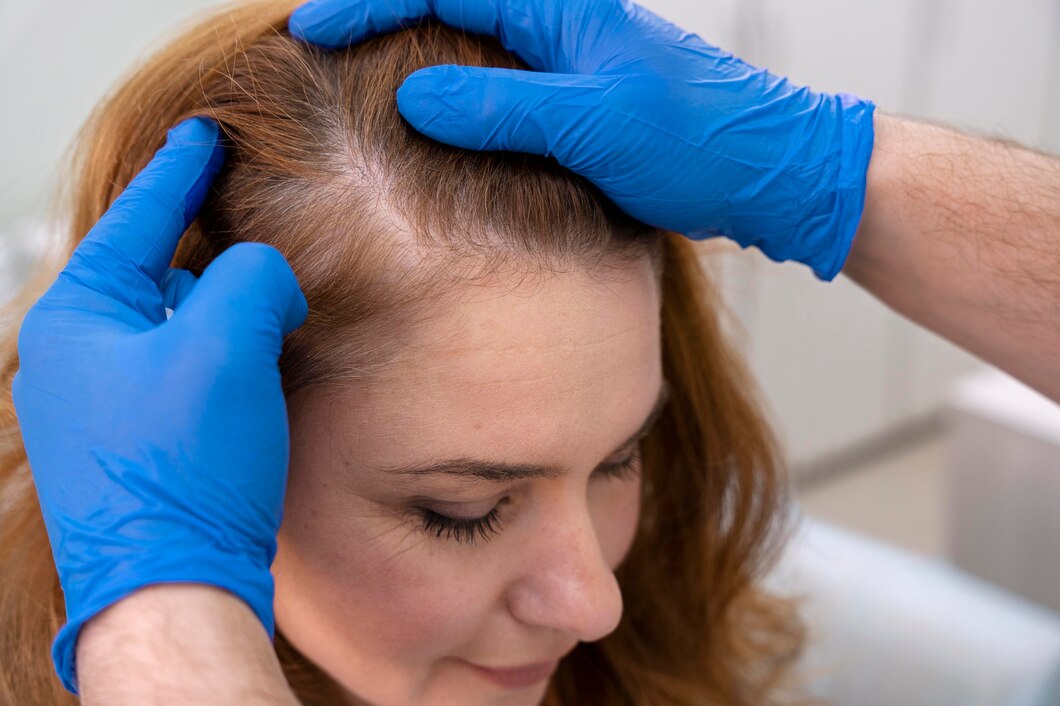
What Is Hair Transplant for Women?
Hair transplant for women is a specialised treatment designed to restore hair density and improve the appearance of the hair using the patient’s own hair follicles. Hair transplant for women differs from treatments for men because hair loss in women is often more diffuse and is not always concentrated in specific areas. During the procedure, healthy hair follicles are transferred from the donor area, typically the back of the scalp, to areas with thinning hair. The transplanted hair continues to grow naturally, providing a permanent and natural-looking result.
Why Do Women Experience Hair Loss?
Hair loss in women can be caused by many different factors. Hair transplant for women often becomes relevant when hair loss is genetic or related to hormonal changes. Pregnancy, menopause, stress, and certain medical conditions can affect the hair growth cycle and lead to thinning. In addition, excessive use of heated styling tools, chemical treatments, and tight hairstyles can also damage the hair over time.
Who Is Suitable for Hair Transplant?
Not all women are suitable candidates for the treatment. Hair transplant for women is most effective for those with localised hair loss and a healthy donor area. Women with thinning around the hairline or temples often achieve the best results. An individual assessment is important to evaluate hair quality, density, and the underlying cause of hair loss. In some cases, the FUE method may also be used, depending on the extent of hair loss, hair structure, and the individual patient’s preferences.
- The hair in the recipient area often does not need to be shaved.
- The hair follicles can be placed between the existing hairs.
- High precision using the Choi pen.
- Natural-looking hairline and density.
- Short recovery period
- Individually tailored to the patient’s hair type and needs.
This method is therefore the most commonly used approach for hair transplant in women, as it allows the appearance of the existing hair to be preserved throughout the treatment process.
Which Methods Are Used for Hair Transplant in Women?
For hair transplant in women, the DHI method (Direct Hair Implantation) is primarily used. This method is particularly suitable for women because, in many cases, it is not necessary to shave the hair in the recipient area.
Using a specialised Choi pen, the hair follicles can be implanted precisely between the existing hairs, making the treatment discreet and providing a natural-looking result.
How Hair Transplant for Women Is Performed
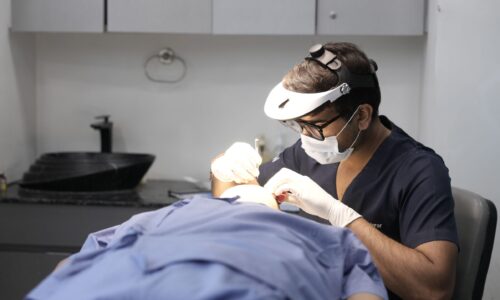
The procedure begins with a consultation, during which an individual treatment plan is prepared. Hair transplant for women is performed under local anaesthesia, making the procedure painless. The hair follicles are extracted from the donor area and then implanted into the desired areas with a high level of precision.
The treatment may take several hours, depending on its extent. After the procedure, the healing process begins, during which small scabs fall off within a few days. The patient can usually return to daily activities shortly afterwards.
Results and Recovery Process After Hair Transplant
The results develop gradually over time. Hair transplant for women does not provide immediate results, as the transplanted hair must first go through a natural growth cycle.
During the first few weeks, temporary hair shedding may occur, which is a normal part of the process. New hair typically begins to grow after approximately 3 to 4 months, with improvements becoming gradually visible. After 6 months, many patients notice a significant improvement, while the final result is usually seen after 9 to 12 months. With proper care and follow-up, the result can be long-lasting and natural-looking.
Benefits and Risks of Hair Transplant for Women
Hair transplant for women offers a range of benefits for those experiencing hair loss and seeking a permanent solution. It provides natural-looking results because the transplanted hair follicles grow like the patient’s own hair and can be styled freely.
One of the greatest benefits is that the result is long-lasting. The transplanted hair follicles are genetically resistant to hair loss, which means they continue to grow for the rest of the patient’s life.
In addition, the treatment can improve self-confidence and create the appearance of fuller, healthier hair. Although the procedure is generally safe, there are also certain risks. Temporary redness, swelling, or tenderness may occur in the treated area.
In rare cases, infection, uneven hair growth, or temporary hair loss around the transplanted areas may occur. These risks can be significantly reduced by choosing an experienced specialist and carefully following all aftercare instructions.
Hair Transplant Prices for Women
We offer hair transplant for women as an all-inclusive package for DKK 27,500, plus €250 for the DHI method. The treatment is planned individually based on the degree of hair loss, the hair structure, and the size of the area to be treated.
Frequently Asked Questions About Hair Transplant for Women
Is Hair Transplan for Women Permanent?
Yes, the treatment provides permanent results. Hair transplant for women uses hair follicles from donor areas that are genetically resistant to hair loss. When these
hair follicles have been transplanted, they continue to grow naturally for the rest of the patient’s life. However, it is important to note that the existing hair may still be affected by the natural ageing process.
Does a Hair Transplant Hurt?
Hair transplant for women is generally not painful, as the procedure is performed under local anaesthesia. During the procedure itself, the patient does not feel pain but may experience a mild sensation of pressure. After the treatment, mild tenderness or tightness may occur in the scalp, but this is usually short-lived and can be managed with mild pain relief. Most patients describe the experience as comfortable and manageable.
How Long Does a Hair Transplant for Women Take?
The duration of the treatment depends on the extent of hair loss and the number of grafts to be transplanted. Hair transplant for women typically takes between 4 and 8 hours, although more extensive procedures may take longer or be divided into multiple sessions. The process requires a high level of precision, as each hair follicle is extracted and implanted individually. This helps ensure a natural-looking result but also means that the procedure may take time. Patient comfort remains high throughout the treatment, as it is performed under local anaesthesia.
When Can You Wash Your Hair After a Hair Transplant?
After the procedure, proper aftercare is essential for the healing process. Hair transplant for women generally requires waiting 2 to 3 days before washing the hair for the first time. The initial wash should be performed very gently, often using products recommended by the clinic. It is important not to rub or scrub the scalp, as the newly transplanted hair follicles are still sensitive. After approximately 10 to 12 days, once the scabs have fallen off, the patient can gradually return to their normal hair care routine.
When Can You Return to Work After the Procedure?
One of the benefits of the treatment is the short recovery period. Hair transplant for women allows many patients to return to work after 2 to 5 days. Mild redness and small scabs may be visible during the first few days, but these subside quickly. Individuals with physically demanding jobs should wait a little longer before resuming their normal activities. By following the doctor’s recommendations, patients can support a smooth and efficient healing process.
Can Hair Transplant Be Performed Without Shaving All the Hair?
Yes, in many cases, this is possible. Hair transplant for women can be performed using techniques where only the donor area is shaved, depending on the method and extent of the treatment. This approach is particularly popular among women, as it makes it easier to maintain their existing appearance after the procedure. However, the method requires a high level of precision and experience from the specialist.
How Many Grafts Do Women Typically Need?
The number of grafts varies depending on the extent of hair loss and the desired result. Hair transplant for women requires an individual assessment because female hair loss is often more diffuse than male hair loss. For smaller areas, such as the hairline or temples, approximately 1,000 to 2,000 grafts may be required. For larger areas with noticeable thinning, the requirement may increase to 2,500 to 4,000 grafts or more. It is important to achieve the right balance so that the donor area is not overharvested while still providing a natural-looking and satisfactory level of density.
Can Hair Transplant Be Combined with PRP Treatment?
Yes, the treatment can be beneficially combined with PRP therapy. Hair transplant for women is often combined with PRP treatment to enhance the results and support the healing process. PRP therapy uses the body’s own growth factors to stimulate the hair follicles and improve blood circulation in the scalp. This may contribute to stronger hair growth and improved survival of the transplanted grafts. Combining these treatments can provide a more effective and long-lasting result, particularly for patients with thinning hair or early-stage hair loss.