
What Is a Sapphire FUE Hair Transplant?
Sapphire FUE hair transplant is a modern and advanced hair transplant technique that uses specially designed sapphire blades instead of traditional steel blades. Sapphire FUE hair transplant allows highly precise and small channels to be created in the scalp, contributing to a denser and more natural-looking result. This method has become popular because it combines a high level of precision with a gentle approach to the skin. Reduced tissue trauma often supports a faster healing process and lowers the risk of complications compared with older techniques.
How Does the Sapphire FUE Method Work?
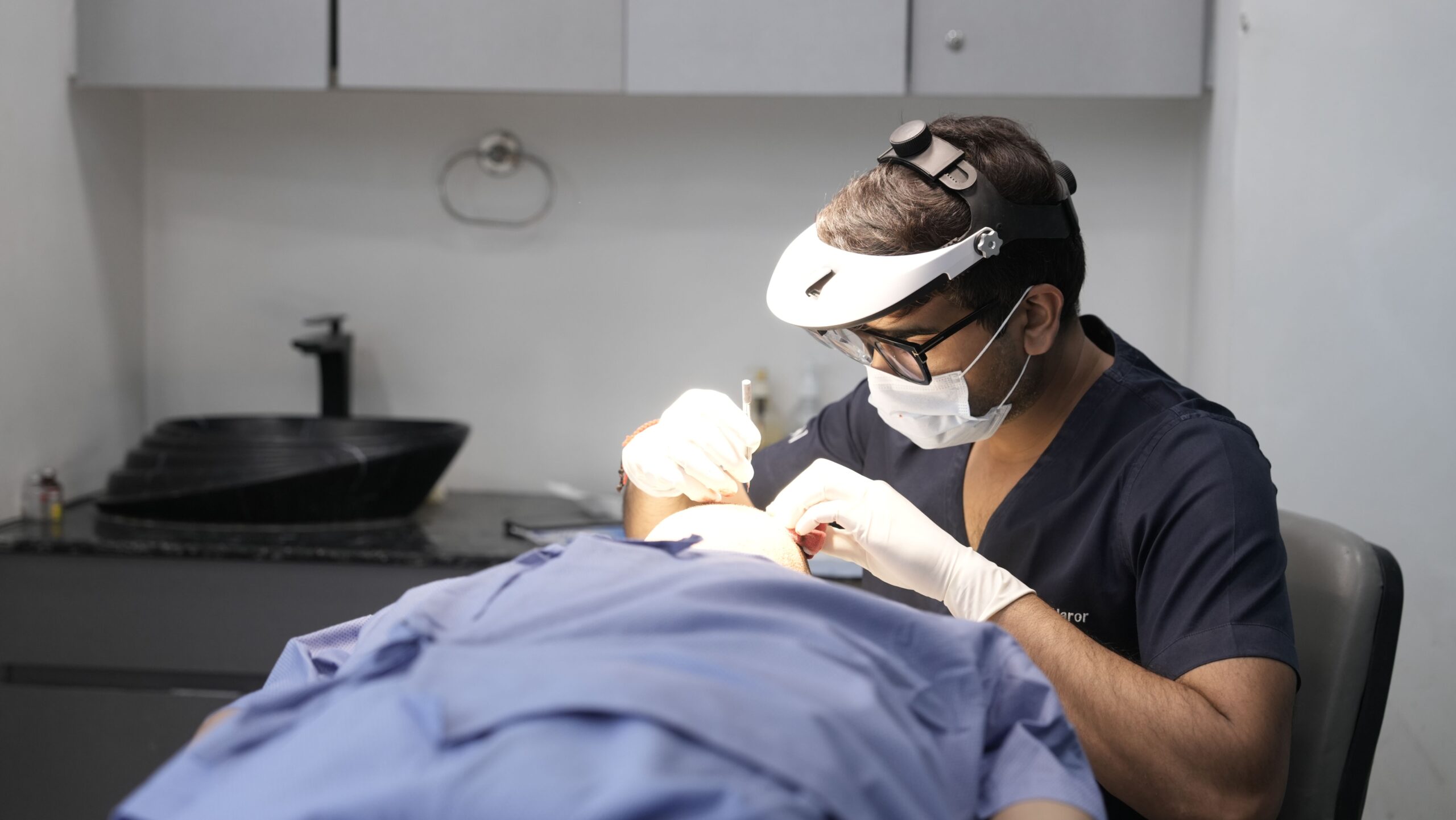
The method is based on the same principles as traditional FUE, but with an important technological advancement. Sapphire FUE hair transplant involves extracting individual hair follicles from the donor area using micromotors. After extraction, small channels are created in the recipient area using sapphire blades. These blades are sharper and more precise than traditional instruments, allowing greater control over the depth, angle, and direction of the new hair. Finally, the grafts are placed into the prepared channels with a high level of accuracy. This process helps ensure that the transplanted hair grows naturally and blends harmoniously with the existing hair structure.
Who Can Consider Sapphire FUE Hair Transplant?
The treatment is suitable for both men and women experiencing hair loss. Sapphire FUE hair transplant is particularly well suited to individuals seeking a natural-looking result with high density and minimal visible scarring. People with androgenetic hair loss, thinning hair, or an uneven hairline may benefit significantly from this method. However, a healthy donor area is essential for achieving a successful outcome. Therefore, an individual consultation is necessary to assess suitability.
How Does Sapphire FUE Differ from Traditional FUE? The main difference lies in the instruments used and the level of precision achieved during the procedure. Sapphire FUE hair transplant uses sapphire blades, which allow smaller and more precise incisions to be made. This results in less tissue damage, faster healing, and the potential for greater hair density. Traditional FUE remains an effective method, but the Sapphire FUE technique often provides a more refined and aesthetically pleasing result.
Benefits of the Sapphire FUE Technique
There are many benefits to this method. Sapphire FUE hair transplant creates a more natural-looking hairline and denser hair growth because the grafts can be placed closer together. It also helps reduce swelling and redness while supporting a faster healing process. Less scabbing and a lower risk of infection make the method an attractive option for many patients.
Treatment Process for Sapphire FUE Hair Transplant
The process begins with a detailed consultation to assess the extent of hair loss. Sapphire FUE hair transplant is performed under local anaesthesia, ensuring a comfortable experience for the patient. The hair follicles are extracted from the donor area, and channels are created in the recipient area using sapphire blades. The grafts are then implanted with a high level of precision. The procedure may take between 6 and 8 hours, depending on the number of grafts. Afterwards, the healing process begins, and the small scabs typically disappear within 10 to 12 days.
Donor Area and Hair Follicle Selection
The donor area plays an important role in the quality of the result. In Sapphire FUE hair transplant, hair follicles are typically taken from the back of the head, where the hair is often genetically more resistant to hair loss.
The hair follicles are carefully selected to ensure consistent thickness and high quality. This is essential for creating a natural and harmonious result in which the transplanted hair blends well with the existing hair.
Important factors in the donor area and hair follicle selection include:
- A Strong Donor Area
- Hair Follicles from the Back of the Head
- Genetically Resistant Hair Follicles
- Consistent Thickness
- Good Hair Quality
- Natural Integration with Existing Hair
- Precise Treatment Planning, Hairline Design, and Hair Density
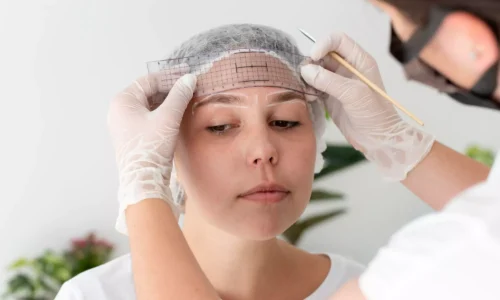
A successful result depends largely on precise planning. In Sapphire FUE hair transplant, the hairline is designed individually according to the patient’s facial proportions, age, and gender.
A natural hairline is not completely symmetrical. Therefore, emphasis is placed on creating a soft and realistic transition between the existing and transplanted hair.
Hair density also plays an important role. The precision of sapphire blades allows grafts to be placed closer together, which can create a fuller and more even result.
The following factors are assessed when designing the hairline and determining hair density:
- Facial Proportions
- Patient’s Age
- Patient’s Gender
- A Natural and Slightly Asymmetrical Hairline
- A Smooth Transition Between Existing and Transplanted Hair Healing Process After Sapphire FUE Hair Transplant
The healing process after the procedure is generally quick and straightforward. Sapphire FUE hair transplant causes less tissue trauma, which means redness and swelling are often minimal. During the first few days, small scabs may form in the treated area and usually fall off within 10 to 12 days. It is important not to touch or scratch the area, as this may affect the newly transplanted hair follicles. Most patients can return to their daily activities within a few days, but intense physical activity and direct sunlight should be avoided during the initial recovery period.
When Does Hair Begin to Grow After Sapphire FUE?
Hair growth after the procedure occurs in several stages. Following Sapphire FUE hair transplant, the transplanted hairs often shed during the first few weeks. This is a normal process known as “shock loss.”
After approximately 3 to 4 months, new hair begins to grow from the transplanted hair follicles. The results gradually become more visible, and a noticeable improvement can typically be seen after 6 months. The final result is usually achieved after 9 to 12 months, when the hair has reached its full density and length.
Possible Side Effects and Aftercare
Although the procedure is considered safe, mild side effects may occur. Sapphire FUE hair transplant can cause temporary redness, swelling, and slight tenderness in both the donor and recipient areas. These symptoms usually subside within a few days. In rare cases, infection or irritation may occur, particularly if the aftercare instructions are not followed.
Aftercare is important for achieving optimal results. It is recommended to follow the clinic’s instructions carefully, including proper hair washing, avoiding sun exposure, and limiting physical activity during the first week.
Sapphire FUE Hair Transplant Prices
We offer Sapphire FUE hair transplantation as a comprehensive all-inclusive package for DKK 27,500. The treatment is planned individually, and the required number of grafts is determined based on the extent of your hair loss and the desired result. The package price remains the same regardless of the number of grafts required.
Frequently Asked Questions About Sapphire FUE Hair Transplant
Does the Procedure Hurt?
Sapphire FUE hair transplant is generally not a painful procedure, as it is performed under local anaesthesia. During the procedure, the patient does not feel pain but may experience a slight sensation of pressure or mild discomfort. After the treatment, mild tenderness or tightness may occur in the scalp, but this is usually temporary and subsides within a few days. Most patients describe the experience as comfortable and easy to manage.
How Long Does the Procedure Take?
The duration of the procedure depends on the extent of hair loss and the number of grafts required. Sapphire FUE hair transplant typically takes between 6 and 8 hours. Smaller procedures may be completed more quickly, while larger treatment areas require more time. In some cases, the procedure may be divided into several sessions to achieve the best possible result.
Can the Transplanted Hair Follicles Fall Out After the Procedure?
Yes, this is completely normal. Sapphire FUE hair transplant often involves a temporary shedding phase known as “shock loss,” during which the transplanted hairs fall out within the first few weeks. This is a natural part of the hair growth cycle and does not mean that the procedure has been unsuccessful. The hair follicles remain intact beneath the skin and begin producing new hair after 3 to 4 months.
When Can You Return to Your Daily Routine?
Most patients can quickly resume their daily activities. Sapphire FUE hair transplant allows patients to return to their normal routine within 2 to 5 days, depending on their comfort level and the nature of their work. Mild redness and small scabs may be visible during the first few days, but these usually subside quickly. Intense physical activity and direct sunlight should be avoided during the first week.
How Is Hair Loss in Women Assessed Before Treatment?
A thorough assessment is essential for achieving a successful result. The specialist evaluates the quality of the donor area, hair density, and hair structure to determine whether the treatment is suitable. Hormonal factors, medical history, and the patient’s expectations are also taken into consideration. An individual treatment plan is prepared to achieve a natural and harmonious result that complements the proportions of the face.
How Many Grafts May Be Required?
The number of grafts required varies from person to person, depending on the extent of hair loss and the desired result. Sapphire FUE hair transplant requires an individual assessment in which both the capacity of the donor area and the needs of the recipient area are carefully evaluated. Smaller areas, such as the hairline, may require approximately 1,000 to 2,000 grafts, while larger areas with advanced hair loss may require 3,000 to 5,000 grafts or more. The aim is to achieve natural-looking density without placing excessive strain on the donor area.
Will There Be Visible Scars After Sapphire FUE?
One of the benefits of this method is that it does not leave visible scars. Sapphire FUE hair transplant is performed using micro-instruments that create very small openings in the skin. These microchannels heal quickly and usually leave no visible marks. Small dot-like marks may appear in the donor area, but they are generally not visible to the naked eye, especially once the hair grows back.
When Can You Wash Your Hair After the Treatment?
After the procedure, proper hair care is essential for the healing process. Following Sapphire FUE hair transplant, patients are typically advised to wait 2 to 3 days before washing their hair for the first time. The first wash should be performed gently, often using special products recommended by the clinic. It is important not to rub or scrub the scalp, as the newly transplanted hair follicles are still sensitive. After approximately 12 days, most of the scabs will have fallen off, and patients can gradually return to their normal hair care routine. Following these guidelines can support optimal healing and improved results.